Wool comforters blend natural insulation with breathable fibers to provide steady warmth across varying climates. These bedding essentials often utilize high-quality wool to regulate temperature, wick moisture, and maintain a comfortable sleep environment. For bedding enthusiasts, understanding wool’s properties helps compare warmth levels, fill power, and care requirements between options such as fleece-backed or cotton-quilted designs.
A key characteristic of wool comforters is lanolin-rich wool fibers that naturally resist odors and maintain fiber resilience. The material’s crimp and loft trap air, delivering warmth without excessive weight. When evaluating options, consider fill weight, weave construction, and whether a wool blend or pure wool composition best suits personal sleep preferences and allergy considerations.
Functional benefits extend to durability and long-term comfort, as wool repels light moisture and dries relatively quickly, reducing the likelihood of dampness during fluctuating temperatures. Wool comforters are often suitable for year-round use, offering cooler feel in warmer months and retained warmth during cooler periods, while preserving fiber integrity through regular use.
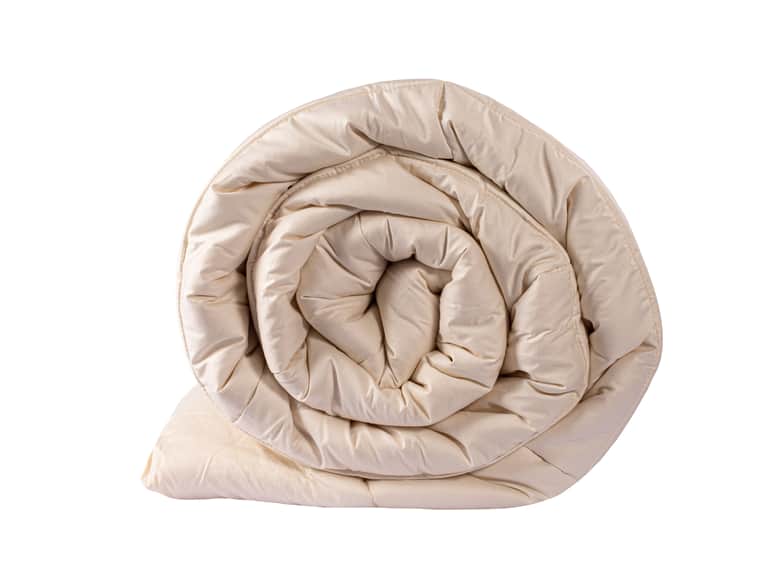
In the context of specific products like Sleep and Beyond myMerino Wool Comforter Light, features may include fine merino wool blends, reduced weight for a breathable yet warm experience, and convenient care instructions. Such designs aim to balance softness, temperature regulation, and resilience, making them relevant for sleepers seeking natural materials with consistent performance.
For bedding considerations, integrating wool comforters into a sleep routine involves assessing care needs, allergen considerations, and compatibility with existing bedding layers. Keywords such as bedding, pillows, comforters, down comforters, and wool comforters reflect the broader category’s relevance while guiding readers toward understanding material benefits and practical usage implications.
 Bedding