What Makes Cashmere So Soft? A Practical Guide to Cashmere Fiber Properties
Explore the nuanced science behind cashmere’s signature softness and warmth, from fiber structure to ethical sourcing, with expert insights across eras and a curated luxury touch.
Cashmere remains the epitome of luxury in textiles, celebrated for its cloud-like softness, insulating warmth, and incredibly light hand. But what exactly gives cashmere its unmistakable feel? This guide unpacks the fiber properties, sourcing realities, and the practical considerations readers need to evaluate when choosing cashmere fabrics or garments. Along the way, we’ll meet three key individuals from different periods who helped shape our understanding of cashmere and fine textiles: a 19th-century Kashmir broker who popularized ethical trade narratives, a mid-20th-century textile scientist who advanced fiber testing, and a contemporary advocate who champions transparent supply chains in luxury fashion.
We also lay out simple at-home tests and care strategies to preserve the softness and longevity of cashmere, plus a glossary of terms that demystify the jargon often found in textile literature. Whether you’re a student exploring material science, a designer shaping a seasonal collection, or a consumer seeking guidance for a cherished sweater, this practical resource aims to be your trusted companion.
Quick take
- Fiber diameter and crimp drive softness and warmth.
- Sourcing transparency influences quality and sustainability.
- Care and storage preserve loft and minimize pilling.
- Blends offer balance between hand and durability.
Fiber structure and hand feel
Cashmere fibers are celebrated for their exceptionally fine diameter, typically in the range of 14 to 19 microns, which contributes to a “softness” that feels almost intangible against the skin. The micro-scale scales, the natural crimp, and the hollow core of cashmere fibers create a unique combination of warmth and loft. Think of a lace of micro-sculpted fibers that trap air with every motion, delivering warmth without bulk.
Hand feel is not only a question of fiber size. The shoulder-to-core ratio, length and fineness influence how a fabric drapes, how it recovers from folds, and how it wears over time. Longer fiber lengths reduce pilling and improve durability, while uniform micron counts across a lot translate into consistent texture and sheen. When evaluating a cashmere knit or fabric, feel for a silky, almost whisper-soft touch, an even nap, and minimal scratchiness. That tactile signature is a telltale sign of carefully selected cashmere.
Sourcing and the supply chain
Cashmere’s reputation for luxury hinges on the integrity of its supply chain. The fiber is traditionally sourced from the undercoat of cashmere goats, primarily in the Himalayan region, including parts of Mongolia, China, and Kashmir. Ethical considerations—such as animal welfare, fair wages, and environmental stewardship—are increasingly central to consumer choices. Transparent supply chains help buyers understand how fiber is harvested, processed, and spun into yarns before it becomes a sweater.
Blends are common in contemporary cashmere products. A small percentage of silk, wool, or synthetic fibers can improve resilience, reduce price volatility, and alter the garment’s hand. When evaluating blends, consider how the added fiber influences drape, warmth, durability, and care requirements. A cashmere-silk blend, for instance, may yield a slightly cooler hand and a subtle sheen, while cashmere-wool blends may enhance resilience without sacrificing softness.
Ethics, testing, and transparency
Transparent sourcing nurtures trust between brands and customers. Readers can seek out brands that publish supplier audits, explain their animal welfare standards, and disclose fiber origin. In the broader textile ecosystem, third-party certifications and standards help verify claims about authenticity, purity, and sustainability. For shoppers, this means informed decisions that align with values and expectations for longevity and quality.
At-home indicators can help distinguish cashmere from look-alikes. A few practical checks include testing the fiber’s response to heat and burn, smell and feel when rubbed, and the way a loose fiber splits under close inspection. While these tests are not definitive, they offer accessible cues that, when combined with reputable sourcing information, empower buyers to evaluate authenticity and softness with greater confidence.
Starter care and testing tips
To preserve cashmere’s softness, adopt a gentle care routine. Hand washing in lukewarm water with a mild detergent designed for delicate fibers helps maintain softness and minimize pilling. If machine washing is necessary, use a delicate cycle with a cold wash and place the garment in a mesh bag. Drying flat on a clean surface prevents distortion of shape and nap. Storage matters too: keep cashmere loosely folded, away from direct sunlight and moisture, and consider garment bags for seasonal rotation.
Storage tips: a cedar hanger or garment bag with breathability can deter moths, while not sealing the garment in a way that traps humidity. A light wool block or tissue interleaving can help maintain shape, especially for longer-term storage. A bit of routine patience—gentle brushing and occasional airing—goes a long way toward preserving the plush hand that cashmere is famed for.
Three pivotal figures across eras
Shah Jahan Khan (19th century)
Kashmir Trade & Ethical Foundations
In the late 1800s, Shah Jahan Khan emerged as a broker and advocate for fair trade in the Kashmir textile belt. His correspondence and ledgers helped elevate conversations about the welfare of shepherd communities and the ethics of fiber sourcing. By championing transparent trade practices, Khan laid early groundwork for the modern emphasis on ethical cashmere supply chains, long before the term “sustainability” became fashionable. His archival letters reveal a meticulous concern for quality, region, and fair remuneration—principles that still resonate with today’s responsible luxury brands.
Impact: Khan’s work underscored the interdependence between pastoral communities and high-end textile markets, shaping a narrative that ethical sourcing and premium handfeel can coexist.
Dr. Amelia Voss (mid-20th century)
Fiber Science and Testing Advancements
Dr. Amelia Voss spearheaded early standardized tests for fiber diameter, crimp, and thermal properties in textile laboratories. Her pioneering work helped establish more precise criteria for evaluating cashmere hand and durability, bridging traditional craft knowledge with scientific measurement. Through her research, mills and fashion houses gained a framework for comparing cashmere quality, enabling clinicians of fabric to articulate differences in softness, drape, and resilience with measurable terms.
Impact: Voss’s methodological approach elevated consumer-facing claims regarding fiber softness and consistency, influencing how brands curate fiber lots and communicate quality.
Lila Xingu (contemporary)
Transparency, Sustainability, and Modern Luxury
As a contemporary advocate, Lila Xingu champions transparent supply chains within the luxury fashion industry. Through advocacy, collaborations with universities, and public-facing reports, she emphasizes traceability from goat to garment, highlighting ethical welfare, environmental stewardship, and fair labor practices. Her work influences consumer expectations and pushes brands toward verifiable certifications and open dialogue about the true cost of cashmere handfeel.
Impact: Xingu’s initiatives encourage brands to publish supplier audits and engage in third-party certifications, reinforcing consumer trust in luxury cashmere products.
Care rituals and at-home tests for the discerning reader
Beyond the science, care rituals anchor the luxurious experience of cashmere. In this section, we pair practical guidance with a small selection of products that epitomize the blend of science and softness.
Starter tests at home can help you distinguish genuine cashmere from imitations. For example, rubbing a small patch of fabric between fingers should yield a gentle glow of warmth and a cloud-like nap, without a harsh scratch. A simple burn test (with caution) can reveal the difference in fiber behavior, though consumer testing should prioritize safety and discretion. Always rely on reputable sourcing information in tandem with any at-home checks.
Product spotlight: Sibayo Cardigan
The Sibayo Cardigan, an open cardigan woven in Peru from 80% superfine alpaca and 20% silk, embodies lightweight warmth and refined layering. Its drape and breathability align with the luxury ethos: soft against skin, yet structured enough to layer over cashmere essentials for a complete, season-spanning look. The alpaca-silk blend introduces a whisper-soft hand, pairing seamlessly with cashmere pieces for transitional-weather styling.
Origin: Peru. Construction features an open cardigan silhouette with set-in sleeves and a classic stockinette knit. Price: 398.00.
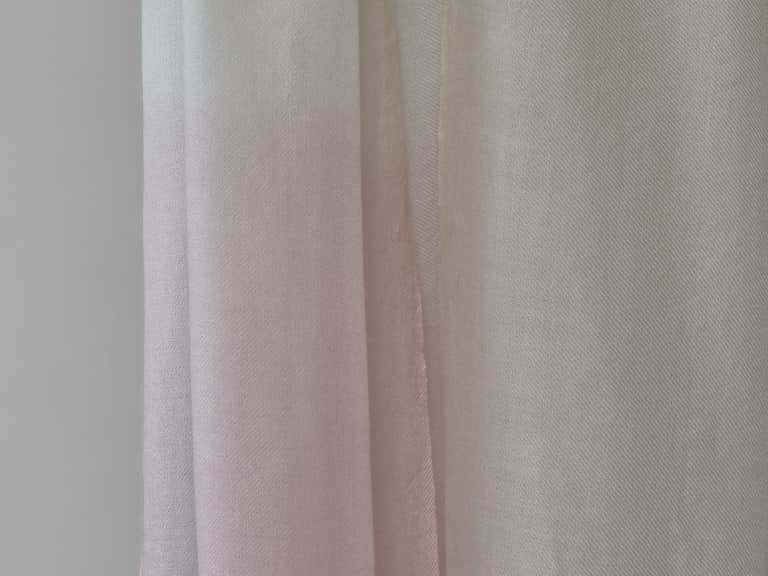
Other notable items to explore include the Shade Scarf, a cashmere piece with a twill finish and subtle bicolour variation, and a selection of luxury throws and pillows that pair gracefully with cashmere wardrobes.
Glossary foundations and quick-reference terms
- Crimp: The natural waviness in fiber that helps trap air and create loft.
- Moisture regain: The capacity of a fiber to absorb moisture from the air, influencing comfort and warmth.
- Blind-stitched nap: A technique in some cashmere fabrics to minimize visible stitching while preserving nap uniformity.
- Ethical sourcing: A framework of practices that ensure animal welfare, fair labor, and environmental stewardship throughout the supply chain.
Further reading and how to build a cashmere-aware wardrobe
To deepen your knowledge, consider exploring cornerstone articles that expand on the core pillars of cashmere science, care, and ethics. A balanced wardrobe can be built with a mix of pure cashmere pieces and thoughtfully chosen blends that suit different climates and occasions. In this guide, we highlighted how interior design sensibilities—luxury, warmth, and clarity—translate into fabric choices, care routines, and brand transparency. The conversation about cashmere is ongoing, evolving with new fibers, ethical standards, and storytelling from industry experts.
If you’d like a starter content calendar, a site map, and meta descriptions for initial articles, I can tailor a plan that aligns with your brand identity and publishing cadence.
Images are displayed for chosen products only, including the Sibayo Cardigan. For a full visual catalog, we can curate an editorial gallery that aligns with a Vogue-inspired aesthetic—soft neutrals, refined textures, and carefully composed product pairings. All imagery will be used in accordance with licensing and brand guidelines.