Clothing and Accessories · A thoughtful guide
Cashmere Loungewear: How to Choose Comfortable Layers for Home
The best clothes for staying in are not simply soft. They let you move freely, adapt to the room’s temperature and feel considered from morning to evening. When choosing cashmere loungewear, look beyond the fiber’s reputation: blend, knit, cut and care all shape how a piece performs in everyday life.
Cashmere has a particular talent for making comfort feel polished. Fine and insulating, it can offer warmth without the weight of a thick sweatshirt or blanket. Yet not every cashmere garment suits every home, season or routine. A dense knit may feel reassuring on a cold evening but too warm beside a sunny window; a beautifully soft top may become frustrating if its fit restricts movement or its care requirements do not suit your habits.
Use this guide to assess cashmere clothing with a practical eye. Understanding fiber blends, knit structure, ease of movement and maintenance can help you choose home layers that are inviting to wear—and realistic to live with.
What makes cashmere feel comfortable?
Cashmere comes from the soft undercoat of cashmere goats. The fine fibers are valued for their lightness, softness and ability to retain warmth. In a garment, those qualities can create a gentle, insulating layer that feels less cumbersome than a heavier fabric. That does not mean every cashmere piece will feel the same: fiber quality, yarn construction, finishing and garment design all contribute to the experience.
Touch is an immediate clue, but it is only one part of the assessment. A garment can feel exceptionally soft at first and still prove impractical if it pills quickly, stretches out or is difficult to care for. Conversely, a piece with a firmer hand may hold its shape and layer more comfortably. Cashmere loungewear should be judged both in the fitting-room moment and in the ordinary scenarios that follow: sitting, reaching, resting, and moving between a warm room and a cooler one.
It is also useful to distinguish a fiber’s natural properties from the garment’s overall performance. A fine cashmere yarn may feel light, but a tightly constructed sweater can retain considerable warmth. A loose knit may be airy, yet less suited to a drafty room. The relationship between material and construction is what makes one piece feel right for a particular person and setting.
Start with the fiber blend
Check the composition label before deciding whether a garment suits your needs. A piece made entirely from cashmere offers the feel of that fiber without another material changing its character. Blends can combine cashmere’s softness and warmth with other fibers that affect drape, resilience, breathability, texture or price. The right choice depends less on a simple hierarchy and more on how—and how often—you plan to wear it.
Silk, for example, can lend a smooth hand and fluid drape. Wool may contribute structure and additional warmth. Cotton can make a garment feel more familiar and breathable, although the finished result still depends on yarn and knit. Synthetic fibers are sometimes included to support durability or stretch. A blend is not automatically superior or inferior to pure cashmere: the proportions, quality and construction matter, as does the garment’s intended use.
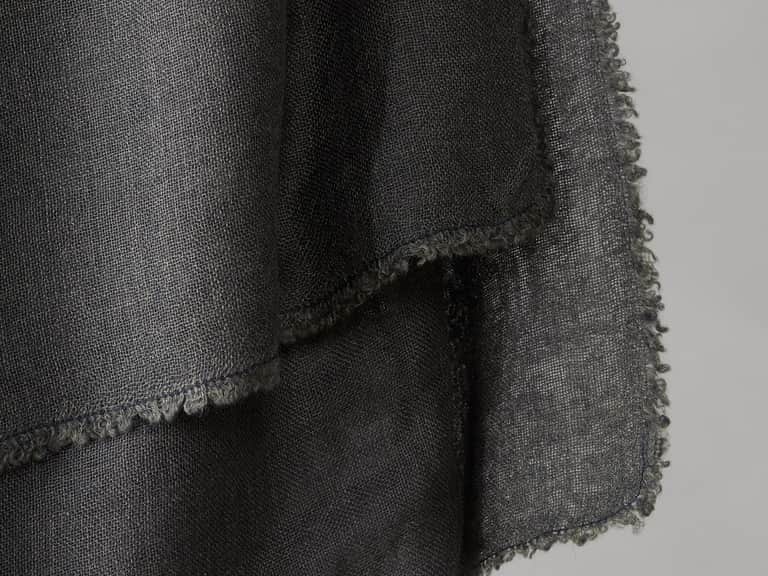
Consider the Flo Scarf as an example of a cashmere blend used in an accessory rather than a full loungewear garment. Its composition is 70% cashmere and 30% silk, and its stated weight is 200 g/m². The blend creates a lightweight, warm layer with a smooth feel, suited to adding coverage around the neck or shoulders. It is not a substitute for a cashmere sweater, but it illustrates how a cashmere-silk combination can bring softness and drape to a useful home layer. Explore the Flo Scarf.
For any garment, read the full fiber breakdown rather than relying on a product name or a phrase such as “cashmere touch.” If a label lists a blend, note the percentages. This gives you a clearer basis for comparing pieces and anticipating how their hand, warmth and care needs may differ.
- For a soft, light layer: consider fine knits and blends that drape comfortably without feeling bulky.
- For cooler rooms: look at knit density and garment coverage as well as fiber content.
- For frequent wear: consider the complete construction and care instructions, not just the cashmere percentage.
Read the knit, not just the label
Knit structure influences how a garment looks, feels and behaves. A finer, more compact knit can create a smooth appearance and a neat silhouette. A looser construction may feel more relaxed and allow greater airflow, while a substantial knit can offer a cocooning sense of warmth. Neither is universally best. A light layer that works beautifully in a mild apartment may not be enough for a chilly morning, while a very dense sweater can become uncomfortable if the home is well heated.
Look closely at the fabric’s surface and recovery. Gently gather a small section, if appropriate, and see whether it returns to shape without feeling strained. Check the seams, cuffs, neckline and hem: these areas experience regular movement and can reveal how carefully the garment has been finished. A neckline that sits comfortably and cuffs that do not dig in matter more during a long day at home than a decorative detail you rarely notice.
Texture deserves attention, too. Ribbing, cables and other raised stitches can make a knit feel more substantial and visually rich. Smooth jersey-like surfaces tend to read as understated and layer easily beneath a robe or cardigan. Textured knits may be less convenient under close-fitting outer layers, and some surface treatments can change how a garment feels against sensitive skin. If possible, try the piece on rather than making a decision from a fabric description alone.
Do not interpret softness as a reliable test of fiber authenticity or long-term quality. Finishing processes can influence the first touch, and a fabric’s feel can change with wear and care. Composition labels, transparent product information and a clear understanding of maintenance are more useful than a single tactile impression.
Choose a cut that moves with you
Loungewear has a deceptively exacting brief: it needs to feel relaxed without becoming cumbersome. A beautiful sweater that pulls at the shoulders when you reach for a book is less useful than one that follows the body without restricting it. Think about how you spend time at home. Do you sit at a desk, cook, stretch, read on the sofa, or move between rooms? Each activity calls for a slightly different balance of ease and shape.
Shoulder seams, sleeve length and torso proportions affect comfort. Dropped shoulders can create an easy silhouette, while a more structured shoulder may sit neatly beneath a coat or robe. Sleeves should allow you to bend your arms without pulling at the back or riding up excessively. If you prefer to push sleeves back while doing household tasks, consider whether the cuffs are comfortable when moved and whether they recover their shape.
Length is another practical detail. A slightly longer hem may feel secure when sitting or lounging, while a cropped shape can work well with high-waisted trousers and lighter layers. The best option is one that stays comfortable across several positions—not only while standing in front of a mirror. A garment should skim or drape according to its design, without twisting or catching when you move.
Consider layering as part of fit. Cashmere loungewear may be worn over a camisole, under a cardigan or with a soft robe. If a top is intended to serve as a base layer, excess volume at the sleeves or torso can feel awkward. If it is meant to be the main layer, a little extra ease can support movement and improve comfort. Try it with the pieces you already wear at home whenever possible.
A useful fit test is simple: sit down, raise your arms, reach forward and turn your shoulders. Notice whether the garment pulls, bunches or exposes more than you intended. Comfort is not a precise measurement, but movement offers honest evidence about whether a cut will fit into daily life.
Think in layers, not single pieces
Home temperatures shift with the season, heating, sunlight and personal preference. A considered wardrobe of layers is often more versatile than one exceptionally warm sweater. A lightweight base, a cashmere knit and a throw nearby can be adjusted throughout the day without leaving you too warm at breakfast or underdressed by evening.
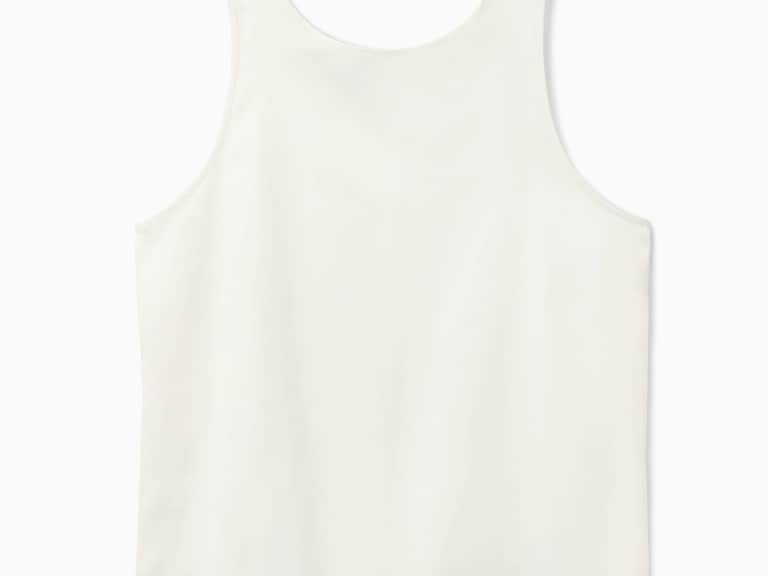
Start with what touches the skin. If you prefer a smooth base beneath a delicate knit, breathable cotton can be a comfortable option. For instance, the Caricia Buttoned Tank Top is made with extra-long-staple cotton in its woven body and cotton in its knit front. It is not a cashmere garment, but its breathable, structured design offers a possible base layer beneath a cardigan or sweater. Its care instructions specify a gentle machine wash, making its upkeep different from many cashmere pieces. See the Caricia Buttoned Tank Top.
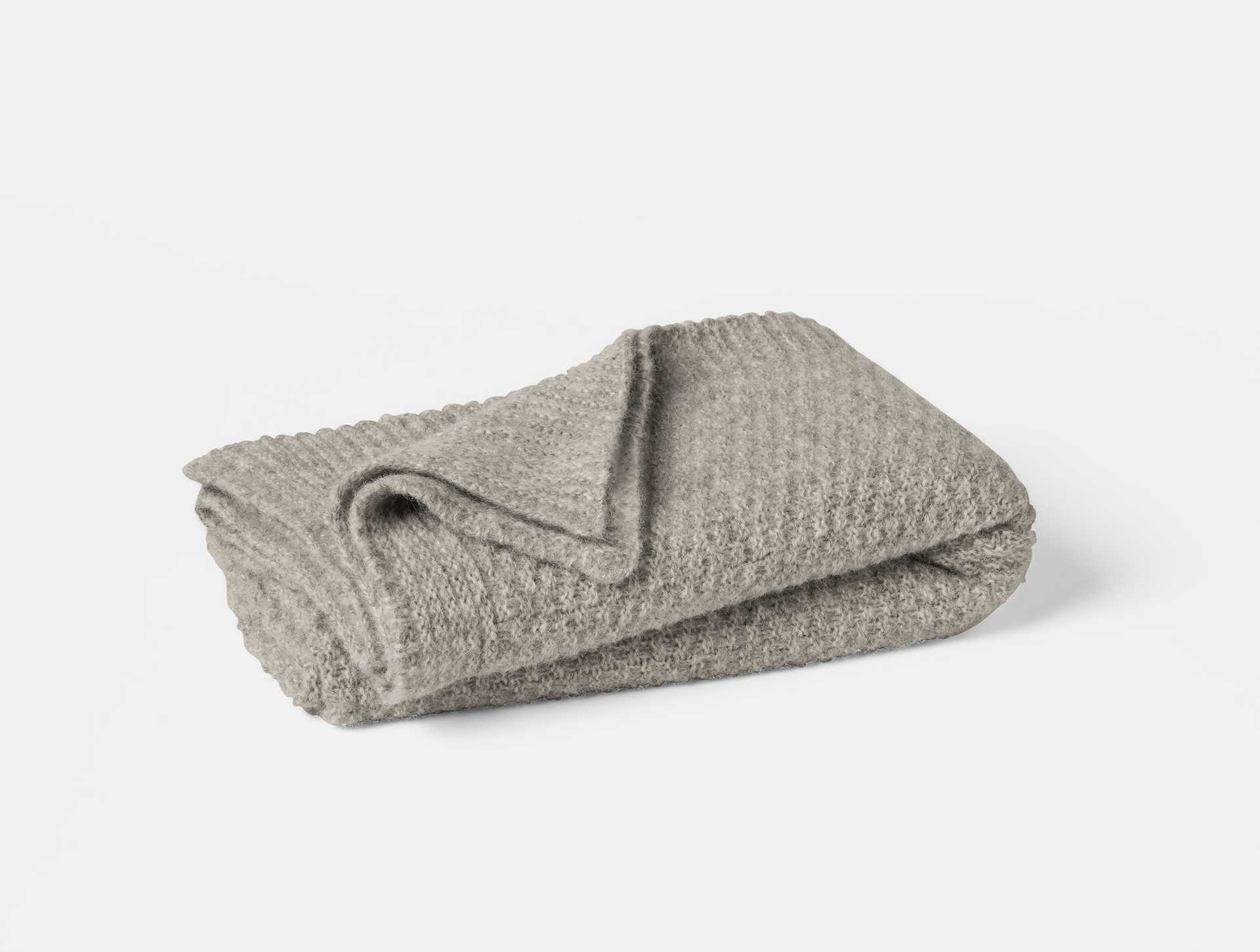
Over a base, choose a cashmere layer that matches the room and the activity. A fine sweater can work for reading or working at home, while a relaxed cardigan is easy to remove as the day warms. In a cooler space, an accessory such as a scarf can add adjustable warmth without adding another full layer to the torso. A throw can provide additional coverage while seated, though it is a home textile rather than clothing.
Layering also makes seasonal use more flexible. A lightweight cashmere piece may work across multiple months when worn over a simple base or beneath a coat. A heavier knit may be a winter favorite but see less use during transitional weather. Before buying, imagine at least two or three ways the garment could fit into your existing routine. Versatility is not about wearing the same piece everywhere; it is about finding a layer that earns its place.
Warmth and breathability: find your balance
Cashmere is prized for insulation, but warmth is not determined by fiber alone. Knit density, yarn thickness, garment coverage and the number of layers worn together all influence how warm a piece feels. Room temperature and activity matter as well. Sitting still for an evening film may call for more insulation than moving around the kitchen or working at a desk.
Breathability is equally personal. If you tend to feel warm indoors, a finer knit or a more open construction may be more comfortable than a thick, close-fitting sweater. If you feel chilled easily, longer sleeves and a higher neckline can provide welcome coverage. Instead of assuming that the warmest option is the most luxurious, think about whether you can wear the piece comfortably for several hours.
Cashmere’s soft, light character can make it appealing for layering, but it is not a guarantee against overheating. In a heated room, a dense garment may still feel too warm. A removable outer layer gives you more control than relying on one heavy piece. Pay attention to how a garment feels after a short period of wear, particularly if you plan to use it as everyday home clothing.
For a useful comparison, ask three questions: Does the garment feel warm enough when you are still? Does it remain comfortable when you move? Can you adjust your outfit if the temperature changes? Those answers are more meaningful than a generic description of a sweater as “cozy.”
Care is part of the decision
Cashmere care should begin with the garment’s own label. Instructions differ according to yarn, construction, finishing and blend. Some items may be labeled for hand washing; others may require dry cleaning. Do not assume that a fiber’s reputation tells you how a particular garment should be cleaned. Follow the maker’s directions, and ask for clarification if they are unclear.
Washing too often can add unnecessary wear, but garments should still be cleaned when needed. Between wears, airing a piece in a well-ventilated place may help refresh it. Keep cashmere away from rough surfaces, jewelry and bag hardware that can catch the fibers. When removing a garment, avoid pulling it by one sleeve or the neckline; support the fabric so it is not stretched.
If the care label permits washing, use a gentle method and a product intended for delicate fibers. Avoid vigorous rubbing, twisting or wringing, which can distort the knit. Press excess water out carefully with a clean towel and dry the garment flat, reshaping it as needed. Hanging a wet knit can stretch it under its own weight. If the label recommends professional cleaning, follow that guidance rather than experimenting at home.
Storage matters between seasons. Make sure garments are clean and completely dry before putting them away, and store them folded rather than on a hanger that may stretch the shoulders. A breathable storage space is preferable to a damp or compressed one. For protection from pests, choose a suitable method for your home and keep storage materials from directly marking delicate fabric.
Pilling can occur when short fibers loosen and tangle through friction. It is not, by itself, proof that a garment is counterfeit or poorly made. Friction-prone areas—under the arms, along the sides, or where a bag rubs—may show pills sooner. Remove them gently with a tool designed for knitwear, following its instructions and taking care not to snag the fabric. Regular, restrained maintenance is safer than aggressive brushing.
Assess durability and value with clear eyes
Cashmere loungewear can represent a meaningful investment, so look beyond the initial impression. Consider the garment’s composition, how often you expect to wear it, the quality of its finishing and the care it requires. Price alone cannot tell you how a piece will perform, and the word “cashmere” does not guarantee a particular level of softness, durability or responsible sourcing.
Inspect seams and edges for even finishing. Check whether the knit feels consistent across the garment and whether the shape suits repeated wear. Ask whether care instructions fit your routine: a delicate piece that requires professional attention may be perfectly worthwhile if you enjoy maintaining it, but less practical if you need easy-care clothing every day.
Durability also depends on how the garment is used. A fine cashmere sweater worn occasionally and rotated with other layers may remain in good condition for years with attentive care. A piece worn daily, carried under a bag strap and washed frequently will experience different demands. Rotation gives fibers time to recover and reduces repeated friction on the same areas.
For shoppers concerned with sourcing, seek specific, verifiable information about fiber origin, manufacturing and any standards or certifications cited by a maker. Broad sustainability claims are not a substitute for detail. A careful buyer can compare what is disclosed, note what remains unknown and choose according to personal priorities without treating one label or marketing phrase as a complete account.
A practical checklist before you choose
Before adding a piece to your home wardrobe, pause over a few straightforward questions. This small checklist can help turn a tempting first impression into a considered choice:
- What is the fiber content? Read the percentages and understand how any blend may affect the garment’s hand and use.
- How is it constructed? Consider knit density, surface texture, seams, cuffs and finishing.
- Can you move comfortably? Test the shoulders, sleeves and hem while sitting, reaching and bending.
- Is the warmth right for your home? Think about room temperature, the season and how much you tend to layer.
- Will the care routine work for you? Check the label before buying, especially if you prefer machine-washable clothing.
- Can you wear it with what you own? Imagine a few combinations with base layers, trousers, cardigans or accessories.
- Is the product information specific? Look for clear material, origin and care details rather than relying on vague claims.
Build a home wardrobe with intention
The appeal of cashmere loungewear lies in the way it can make a familiar routine feel a little more considered. But comfort is not a luxury fiber acting alone. It is the result of a thoughtful combination: a blend that suits your preferences, a knit that feels right for the room, a cut that moves with you and a care routine you can maintain.
Begin with the role a garment needs to play. For a light layer, prioritize ease and a comfortable drape. For cooler evenings, consider coverage and knit density. For all-day wear, pay special attention to movement and care. If you want a small point of warmth rather than another sweater, a cashmere-blend accessory can offer a flexible alternative. There is no single ideal formula, only a better-informed way to choose.
A well-chosen piece should feel good beyond the first fitting: when you settle into a chair, reach for a cup, open a window or move from one room to another. That is the quiet standard for loungewear worth keeping—softness with purpose, warmth without needless bulk and elegance that does not ask you to sacrifice ease.
Frequently asked questions
Is pure cashmere always the most comfortable choice for home?
Not necessarily. Pure cashmere offers the distinctive qualities of the fiber, but comfort also depends on yarn, knit, fit, room temperature and personal preference. A well-made blend may better suit a particular purpose or care routine.
How can I keep cashmere from pilling?
Reduce repeated friction, rotate garments and follow the care label. Some pilling can occur with normal wear. If needed, remove pills gently with a tool intended for knitwear, taking care not to catch or damage the fabric.
Can I machine-wash cashmere loungewear?
Only if the garment’s care label allows it. Washing instructions vary by construction and blend. When hand washing or machine washing is not explicitly permitted, follow the label’s stated cleaning method.
What should I wear under a cashmere layer?
A comfortable, breathable base can make a cashmere knit easier to wear and may reduce direct friction against the garment. Choose a layer that works with the fit, climate and care needs of your clothing.